
Naturopathic Insights on WHO's Processed Meat Cancer Report
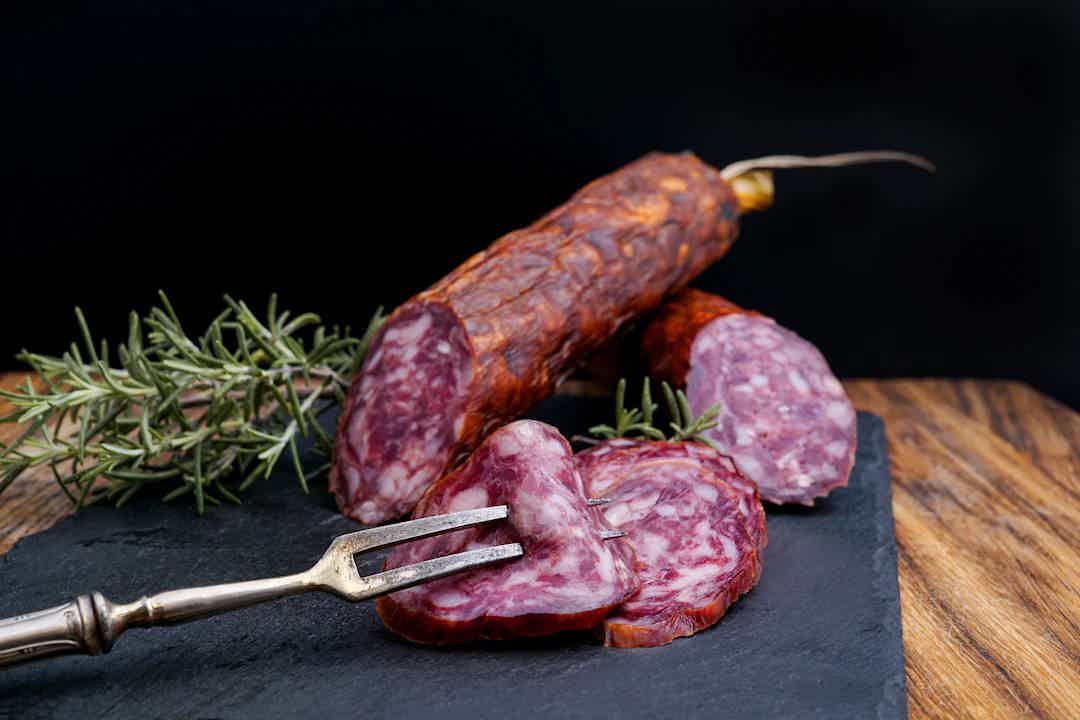
In October 2015, 22 scientists from ten countries met at the International Agency for Research on Cancer (IARC) in Lyon, France, to evaluate the carcinogenicity of the consumption of red meat and processed meat. The Working Group assessed more than 800 epidemiological studies that investigated the association of cancer with consumption of red meat or processed meat in many countries, on several continents, with diverse ethnicities and diets. The Working Group classified consumption of processed meat as “carcinogenic to humans” (Group 1) on the basis of sufficient evidence for colorectal cancer. They classified consumption of red meat as “probably carcinogenic to humans” (Group 2A).
What does this report mean for our shopping lists and best health strategies? I’ve prepared a list of questions and answers to get to the bottom of it!
What is red meat and what is processed meat?
Red meat is any meat that comes from a mammal. That means meat from cows, pigs, sheep, horses, goats and bison all count as red meat.
Processed meat includes any meat that isn’t fresh. This category can include processed red meat as well as poultry and fish. Processed meat according to the panel, has been modified from its natural state either “through salting, curing, fermentation, smoking, or other processes to enhance flavour or improve preservation”.
What is the risk of developing cancer from eating red and processed meat?
It is important to understand that this report is focussed on association between processed meat and cancer and does not clarify risk. For example, cigarettes and asbestos are also classified in Group 1 as carcinogenic to humans but they have a stronger risk of developing cancer. Eating processed meat is not as harmful as smoking cigarettes although they are both carcinogenic. The IARC looks at strength of evidence and they have found enough evidence to say with certainty that processed meat can cause cancer and that red meat can probably cause cancer.
With this said, a meta analysis of colorectal cancer in ten of the cohort studies reported a statistically dose-response relationship, with a 17% increase risk per 100g per day of red meat and an 18% increase per 50g per day of processed meat (about 2 slices of bacon!). This is a population-based risk to dose relationship and not a personal one, however; it does give us some parameters to understanding what we are actually talking about.
Are organic meats as dangerous?
According to this report, yes! The danger posed by processed meat and red meat comes from chemical properties inherent to the meat. Organic meat that is raised with out antibiotics and hormones has many other health advantages but falls outside the context of this report.
What about nitrate-free meat?
As I understand it and according to the Working Group definition of processed meat the “naturally” processed meat, found increasingly in supermarkets, that claim no added nitrates or preservatives are included as processed meat as they use naturally occurring nitrates from sea salt and celery root to alter the meat all the same. It is not the added chemicals that are carcinogenic, it is the way the altered meat reacts with our cells and genes that is carcinogenic.
How do red meat and processed meat cause cancer?
Although this report was focused on determining the strength of cancer causing evidence, there are some studies included in the report that speak to the mechanistic evidence for carcinogenicity of red meat including; gene mutation, oxidative stress, and increased chemicals in our digestive systems like N-nitroso-compounds and polycyclic aromatic hydrocarbons (PAH). Even though there was stronger evidence found for processed meat causing cancer there was less understanding of why.
What is our best approach? Should we stop eating red and processed meat?
There is no question that decreasing or eliminating red and processed meat will decrease your associated risk of cancer. The relationship between our diets and disease is real and diet is an important place to focus our energy to optimise preventative health and live well day-by-day.
One group of foods that help to prevent against cancer are foods that have the ability to act as antioxidants in our body. Antioxidants help to restore stability and health to our cells that have been or are at risk of being oxidized – as seen with the consumption of red meat. Try and pair your intake of red meat with foods high in antioxidant potential like Rosemary, Green tea and berries as they are powerful antioxidants.
One study in 2012 showed a 90% reduction in the formation of aromatic hydrocarbons in pan-fried beef with the addition of a marinade rich in antioxidants. The greatest antioxidant potential was found in a marinade of wine and rosemary -two powerful and delicious antioxidants!
For a detailed review of the IARC report and details about the included studies and findings:
http://www.thelancet.com/journals/lanonc/article/PIIS1470-2045(15)00444-1/abstract
To read the IARC monographs and WHO Q&A on the report:
http://www.iarc.fr/en/media-centre/iarcnews/pdf/Monographs-Q&A_Vol114.pdf
A link to the referenced study about the antioxidant potential of a rosemary and wine marinade:
http://www.ncbi.nlm.nih.gov/pubmed/22642699